Hi I'm Dan, an experienced design leader with 15+ years building great products and teams.

Culture Amp Ignition Domain BigCommerce

Experience

  1. Nov 21 – Sep 26

    VP of Design

    Ignition

    Reporting to CPO | 7 direct reports | Part of R&D and senior leadership teams

  2. Dec 17 – Aug 21

    VP of Design

    Culture Amp

    Reporting to CPO | 8 direct reports | Team of 32 | Part of R&D leadership team

  3. Oct 2014 – Jul 2017

    Head of UX

    Domain

    Reporting to CPO | 8 direct reports | Part of R&D leadership team

  4. Apr 12 – Oct 14

    Director of UX

    BigCommerce

    Reporting to Co-founder | 3 direct reports

  5. Dec 08 – Feb 12

    Senior UX Architect

    PTG / Sitback

  6. Jun 05 – Dec 07

    Co-founder

    Slidepath

Portfolio

As AI reshapes how products get made, I’ve begun combining design leadership with hands-on product development. Below are a few examples of this, along with some older IC work.

UX debt reduction

Objective
Improved UI quality and consistency
Role
End-to-end Plan → Design → AI-assisted PRs
Outcomes
10% reduction in time to onboard

Delivered 40+ targeted UX improvements to reduce usability friction and create a more polished, cohesive experience, including refreshed product chrome and upgrade drivers, refined design system components, purposeful animations and greater UI consistency throughout.

Core experience redesign

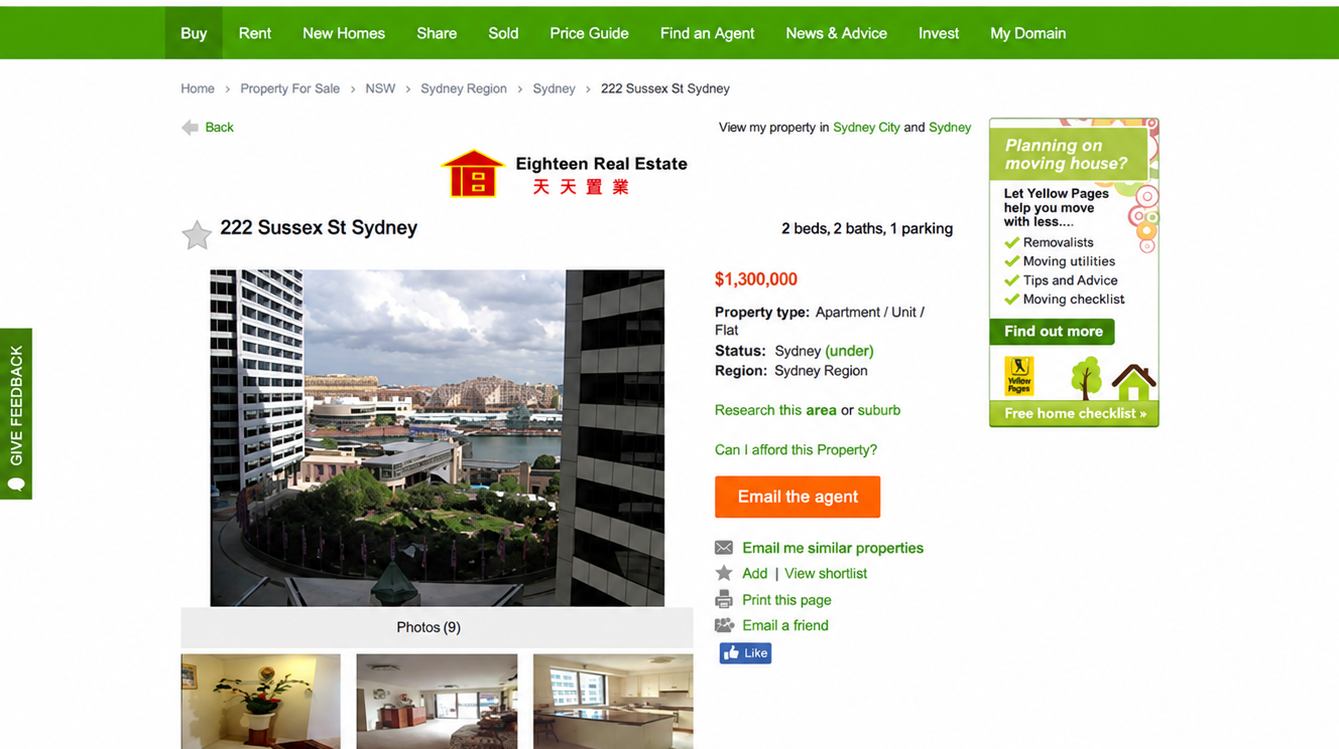
Domain property listing before the redesign
Before
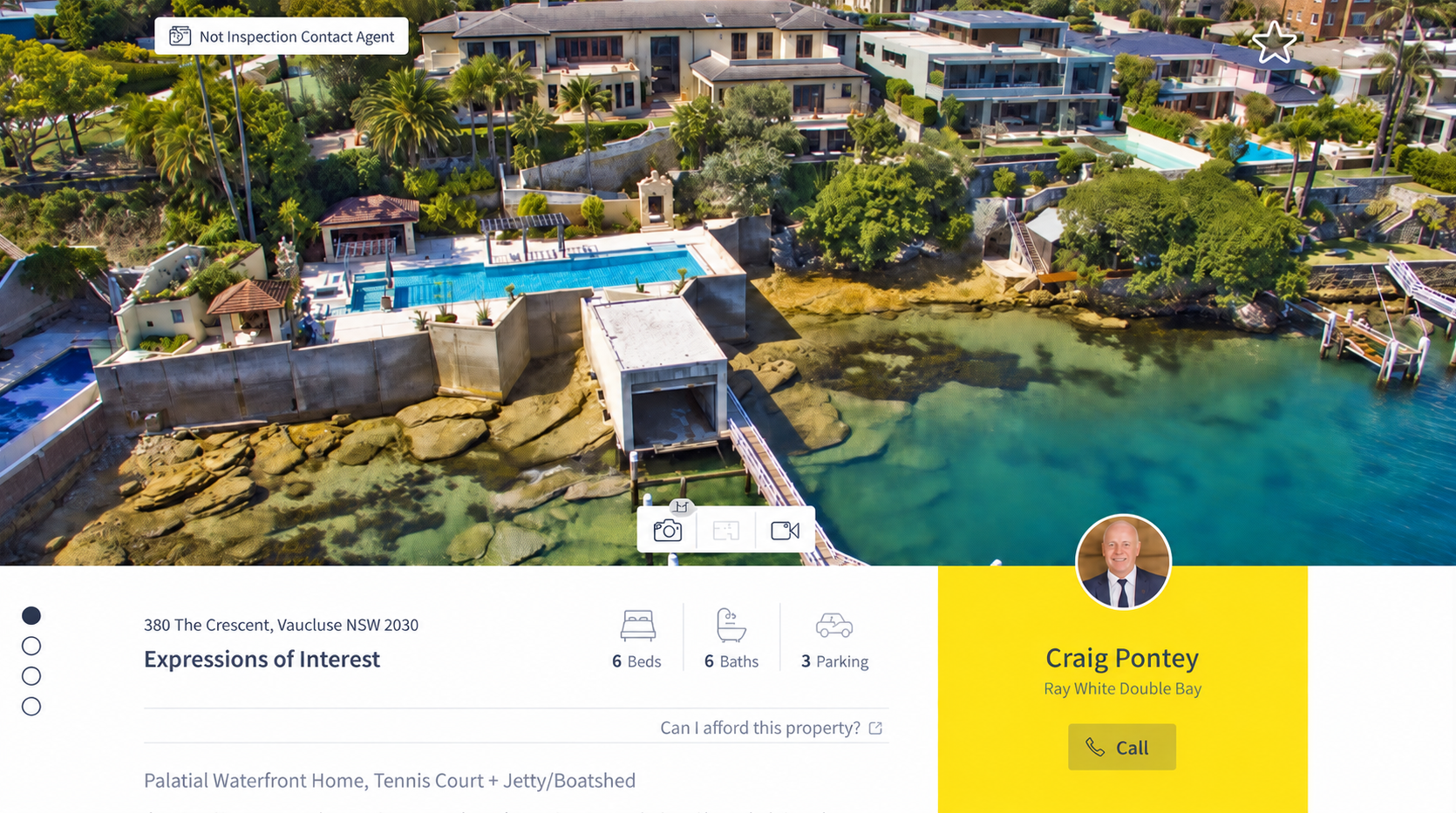
Domain property listing after the redesign
After
Objective
Facilitate price
increases
Role
UX research &
design lead
Outcomes
↑40% enquiries
↑35 NPS

I led the redesign of Domain’s core search and browse experience to help justify upcoming listing price increases for real estate agents. I owned the research and UX design, working alongside visual designers to improve the experience. The redesign delivered a 25% increase in property listing revenue, 40% more consumer enquiries and a 35% increase in post-launch NPS.

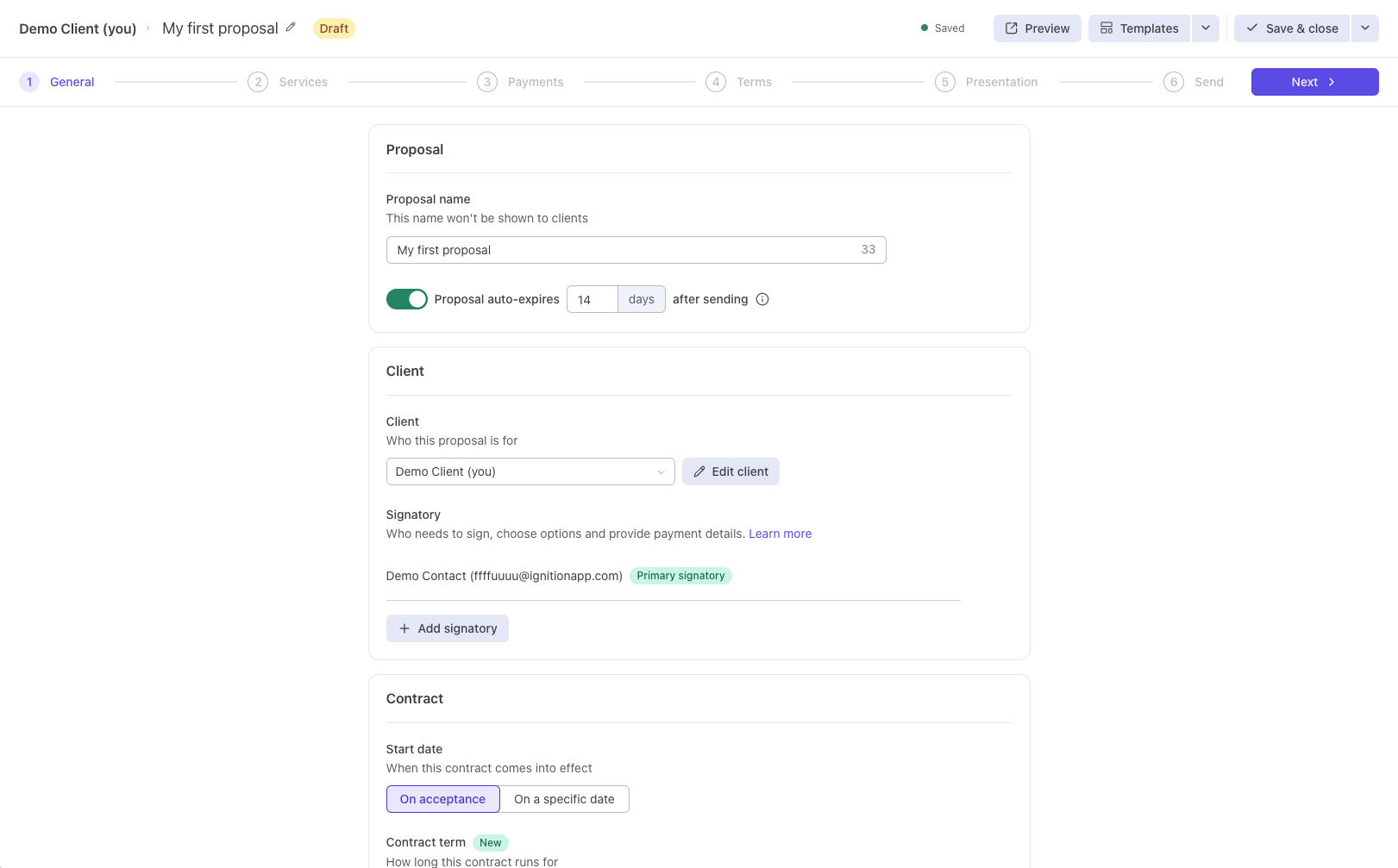
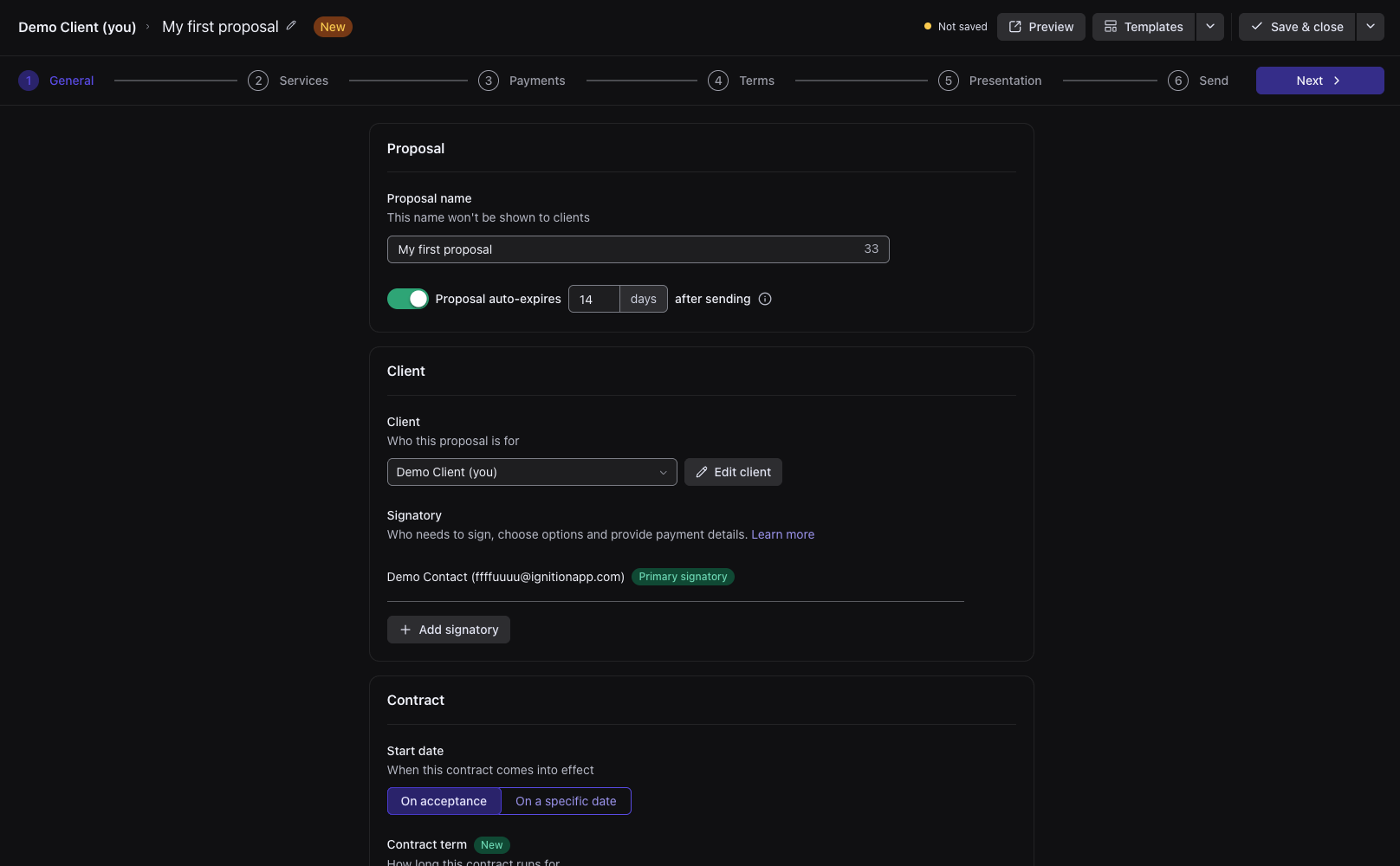
Dark mode

Objective
Design an accessible, consistent dark mode
Role
Design
Outcomes
–

Working with a front-end engineer, I led the design of Ignition’s dark mode. I researched best practices and established guidelines for applying the theme consistently across the product. As design lead, I selected the colour palette and defined how components, states and hierarchy should adapt between light and dark modes.

Side projects

Vendromat Connect vending operators with qualified venues that are ready to talk.
Vendromat uses AI to replace cold prospecting with verified opportunities and warm introductions.
Animated vending machines moving along a conveyor
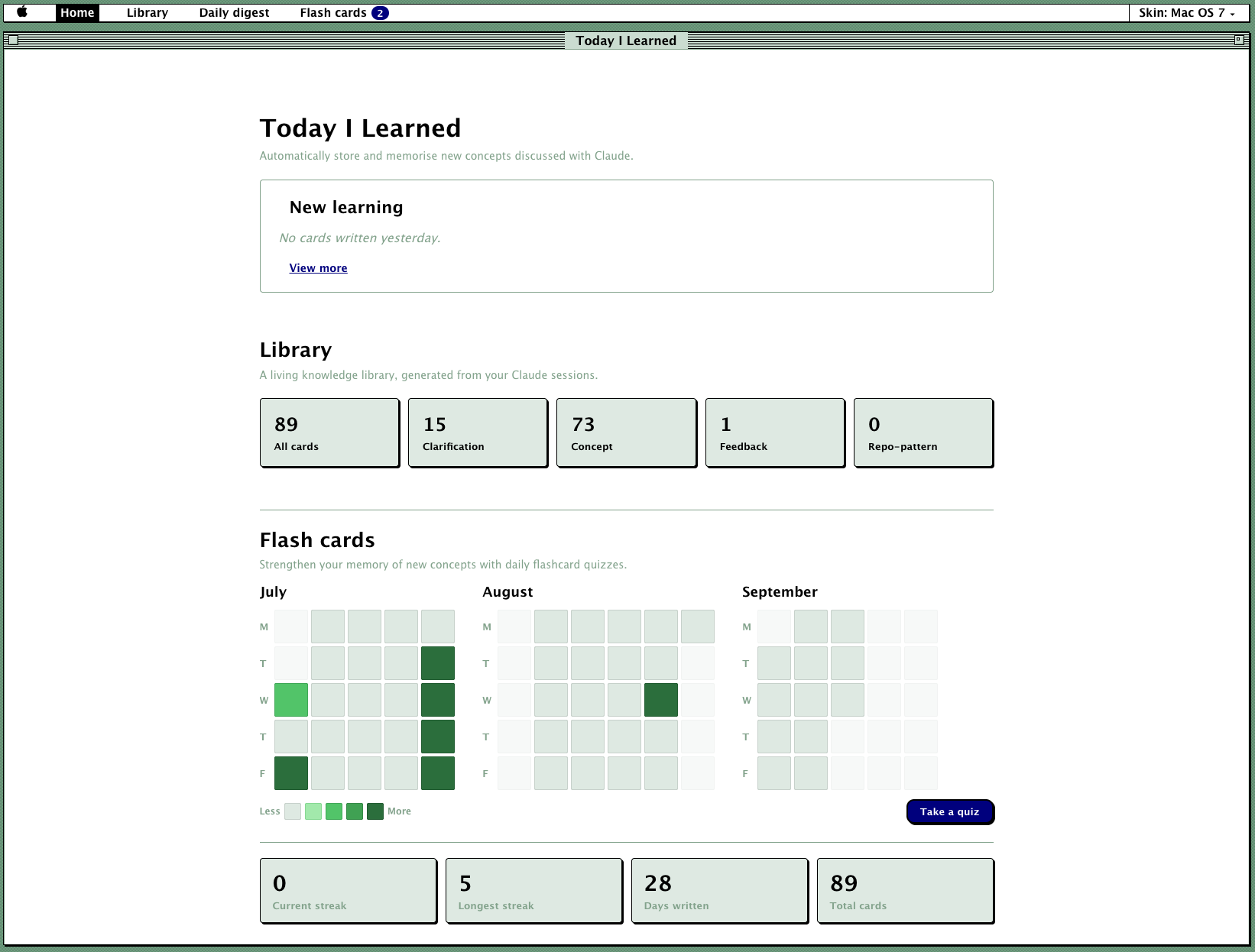
Today I Learned A Claude skill that passively turns new concepts into a personal library of learning cards. With plain-language explanations, examples, short quizzes and spaced repetition, it help the knowledge stick over time.

Today I Learned learning card interface

Contact

UX debt reduction

Exploring a faster, human-guided way to reduce UX debt.

Scope
Component quality, navigation, animation, onboarding and upgrade flows.
My role
Identified and triaged issues, directed the design work and reviewed implementation.
Outcome
A repeatable process and practical lessons for AI-assisted design delivery.

Background

I wanted to get closer to the work again and test whether the long tail of small UX and UI issues could be addressed more systematically. The goal was to explore a semi-automated workflow that increased delivery speed without handing design judgement to the tools.

Approach

I used existing pain points as the input, Claude to help structure work in Linear, and parallel Claude sessions to progress multiple streams. Figma remained the place to establish design intent, while GitHub pull requests made every implementation reviewable before it reached the product.

CollectExisting pain points and interface inconsistencies
StructureClaude converts findings into backlog candidates
TriageI assess value, scope, risk and design intent in Linear
ExecuteParallel sessions develop focused work streams
ReviewFigma checks and GitHub pull-request review
  • Claude
  • Claude Design
  • Figma
  • Linear
  • GitHub

Designs

The work combined broad consistency improvements with focused changes to high-friction journeys. These examples will show how the same process worked across different levels of the product.

Buttons and controls

Standardised component styling, hierarchy and interaction behaviour.

Navigation and chrome

Refined the sidebar, interaction states and content-area guttering.

Animation

Created reusable motion patterns for empty states, icons and component feedback.

Onboarding

Addressed recurring friction in client communications and template setup.

Upgrades

Redesigned the Deals upgrade experience to explain value more clearly.

Learnings

The useful outcome was a clearer view of where automation accelerates design work and where it creates additional risk.

  • Backlog creation can be automated; prioritisation cannot.AI can turn observations into structured tickets quickly, but the list still needs human triage to remove noise and set priorities.
  • Component-level work is well suited to automation.Constrained changes with established tokens and patterns can move from issue to review with less intervention.
  • Motion becomes faster when patterns are reusable.Creating animation templates changed the task from designing each interaction independently to adapting a known behaviour.
  • Human review is the control system.Design judgement, product context and quality checks remain essential when several work streams are moving in parallel.

Core experience redesign

Redesigned Domain property listing with large property photography and a prominent agent contact area

Background

Domain planned to increase listing prices within three months. The core experience needed to demonstrate greater value to real estate agents while helping more property seekers discover, evaluate and enquire about homes.

I led UX across research, concept development, wireframes and testing for web, mobile web, Android, iPhone and iPad.

Principles

Research revealed a two-sided challenge: property seekers wanted the home to take centre stage, while agents wanted visibility that could help them win their next listing.

  • Reduce cognitive loadMake property information easier to scan and understand.
  • Hero property imageryGive buyers a faster, more immediate sense of each home.
  • Elevate agent brandingKeep agents visible without competing with the property.

Designs

The redesign carried these principles across search, browsing and property details, using larger imagery, a simpler information hierarchy and clearer agent contact actions.

Before ↗
After ↗

Testing

We tested how image cropping and enlargement affected perceived quality, then used those findings to balance visual impact with the inconsistent photography supplied across property listings.

Concepts were evaluated through consumer interviews, usability testing and comparative analysis, while agent and sales-team research tested the commercial value of personal and agency branding.

Impact

  • +25% Property listing revenue
  • +40% Consumer enquiries
  • +35 Post-launch NPS
Vendromat concept showing an independent gym venue ready to receive vending proposals

The opportunity

Finding good locations is one of the hardest parts of running a vending business. Operators will pay anywhere from $1,000 to $5,000 for a successful new location.

That raised the question: could I find and qualify locations, then connect them with operators willing to pay for the outcome?

Competitive landscape

The Independent Vending Machine Operators Association represents 130+ independent operators in Australia, ranging from small family run businesses serving local areas to larger multi-state companies. Depending on their size, they may acquire new locations through:

  • Outbound sales
  • Referrals
  • Brokers
  • Marketplaces

Narrowing the focus

I initially explored Vendromat as a traditional two-sided marketplace: attract venues on one side, operators on the other, and let them find each other similar to VendPlacer. However pressure-testing the approach quickly exposed two fairly serious problems:

  • Cold start: the marketplace isn’t useful to operators without venues, and venues have little reason to join without operators.
  • Stale inventory: a large directory looks impressive, but quickly loses value if listings are old, duplicated or no longer interested.

Rather than building the full marketplace and hoping both sides arrived, I narrowed the idea to a concierge-first service. I would find venues manually, check that they were genuinely interested, match them with an operator and learn from the process before investing in the platform.

Experiments

Next, I needed to validate two hypotheses:

  1. Qualified locations can be acquired at a desirable cost
  2. Operators will pay for these locations

This let me test the business model before spending weeks or even months building something non-viable.

Experiment 1. Demand

I used Codex to build a database of publicly identifiable vending operators across Australia using industry directories, association membership lists, Google and state-by-state web searches. I collected their location, service area, website and available contact details, then removed duplicates and grouped them by state.

The next step was direct outreach. Focusing on QLD, I created a short interview script and contacted operators to understand:

  • How they currently find locations
  • What makes a location attractive
  • How painful the problem really is
  • What they consider a qualified lead
  • What they might pay for a successful placement

We then offered a small paid pilot: $30 for five qualified opportunities, refunded if none progressed. If an operator successfully installed a machine, the larger fee would be agreed using performance bands after three to four weeks of sales.

  • Operators want premium sites with high foot traffic
  • Locations must be ready to sign on introduction

This meant that locations must be fully qualified and meeting the needs of operators before being passed onto them.

Experiment 2. Supply

For the supply side, I trialed using AI-native tooling to build a simple workflow for researching and profiling suitable businesses.

I used an off the shelf tool (Explee) to drive personalised outreach and identification of venues willing to discuss a vending machine. Hot leads were then enriched using OpenAI Agents SDK to research operating addresses, site access, and likely staff and visitor numbers. I used Codex to build a simple interface for reviewing profiles, with Supabase handling sign-in, report storage, lead history, and a five-minute Explee sync.

The experiment was designed to measure the true cost of producing a qualified introduction, not simply Explee’s cost per reply. If those introductions could be produced cheaply and operators paid based on successful placements, Vendromat could work as a focused location-acquisition service before becoming a marketplace.

Outcomes

The experiments are still in progress, but currently are generating leads at $8 / warm lead, with further qualification required.

Today I Learned

Project details to come.